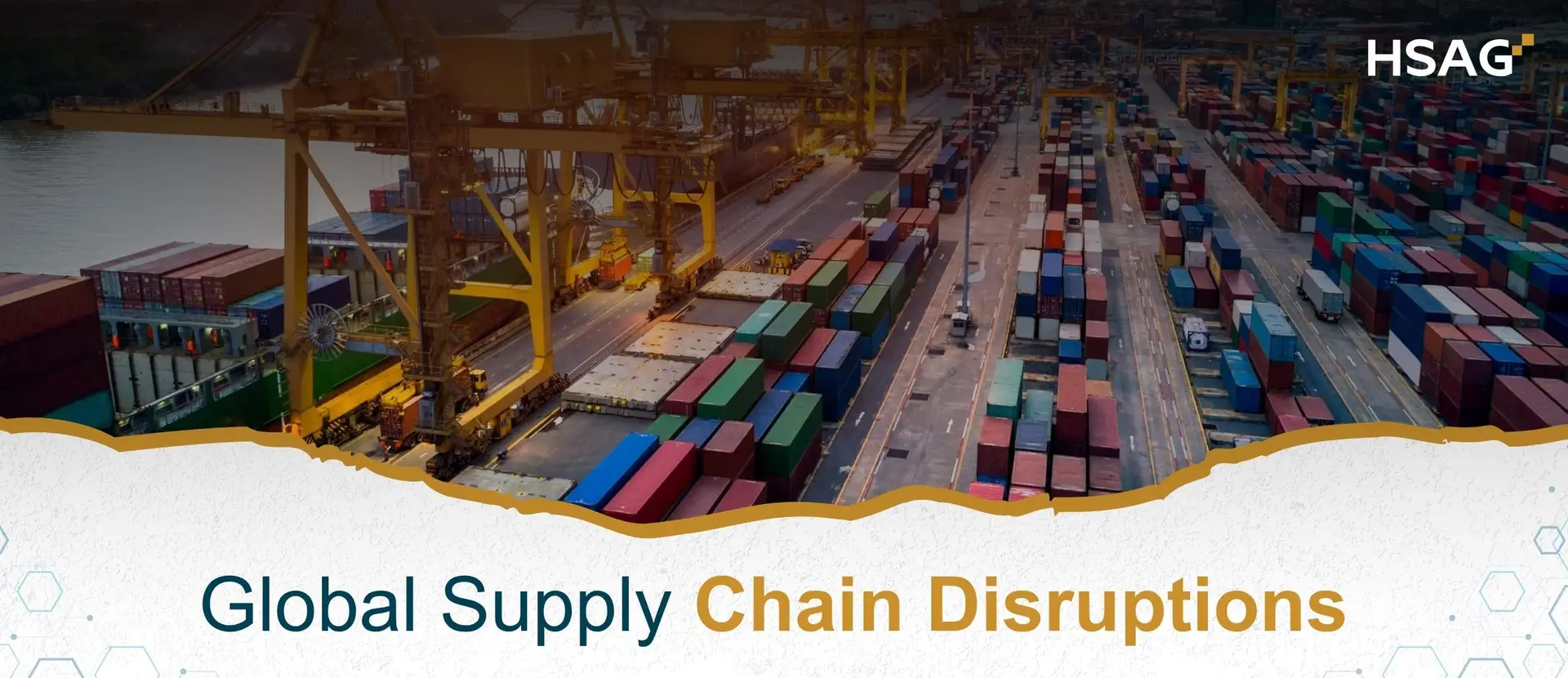
Global supply chains are entering a new phase defined by resilience, visibility, and strategic control. What was once driven by cost efficiency is now being reshaped by supply chain disruption, demand volatility, and digital transformation.
For businesses, this shift is not just operational. It directly impacts cash flow, risk exposure, and long-term growth strategy.
What’s Driving This Shift
1. Demand Is Becoming More Dynamic
Traditional forecasting models are no longer enough.
- Demand patterns are shifting faster
- Market recovery is uneven
- Customer expectations continue to evolve
Businesses are moving toward adaptive supply chain strategies.
2. Supply Chains Are Becoming More Regional
Globalization is evolving into regionalization.
- Nearshoring is gaining traction
- Trade policies are influencing decisions
- Supply networks are being redesigned
This shift is pushing companies toward more resilient supply chain models.
3. Logistics Is Now a Financial Lever
Logistics decisions now directly impact profitability.
- Increased freight costs
- Delays affecting working capital
- Higher inventory holding periods
What used to be operational is now a financial strategy decision.
👉 Learn how to optimize cost and capital efficiency through our Transaction Advisory Services
4. Talent Is a Critical Constraint
Supply chains are becoming more digital, increasing the demand for skilled professionals.
- Shortage of logistics talent
- Need for digital capabilities
- Data-driven decision making
Talent is now a key driver of supply chain performance.
👉 See how we help businesses build the right teams through our Staffing & Recruitment Services.
5. Risk Is Becoming More Integrated
Risk is no longer external. It is built into the system.
- Climate disruptions
- Cybersecurity threats
- Vendor reliability issues
Businesses are embedding risk management into supply chain design.
👉 Understand how internal controls strengthen risk management in our Audit & Assurance Services
What This Means for Businesses
- Stronger Financial Control
Better visibility improves working capital and cost management. - Improved Customer Confidence
Reliable delivery builds long-term trust. - Operational Stability
Diversified sourcing reduces disruption impact. - Better Strategic Decisions
Real-time data enables informed planning.
The Shift That Matters
The goal is no longer to avoid disruption.
It is to build systems that can operate through it.
Leading businesses are focusing on:
- Diversified supplier networks
- Real-time visibility tools
- Stronger vendor due diligence
- Alignment between finance and operations
This is where supply chains move from support functions to core growth drivers.
Final Perspective
Supply chains today are not just about movement.
They are about control, continuity, and growth.
Businesses that build for this shift will not just manage disruption.
They will outperform through it.

Haaren C Sanghvi
Founder & CEO, HSAG
Haaren C Sanghvi is the Founder & CEO of HSAG, with extensive expertise in risk management, taxation, audit, financial consultancy, business advisory, compliance and business outsourcing.
in Connect on LinkedIn